
Why does diet and exercise stop working after 35 when you’re doing everything perfectly?
You count every single calorie. Hit the gym religiously. Drink gallons of water.
Yet your jeans keep getting tighter.
Sound familiar?
Here’s what nobody tells you: after 35, your body literally rewrites the weight loss rules. The “calories in, calories out” formula that worked in your twenties? Your metabolism just laughed and threw it out the window.
You’re not imagining things. You’re not lazy. You’re not broken.
Science proves that diet and exercise stop working after 35 the same way—not because you’re failing, but because your biology fundamentally shifts. It’s like your body switched operating systems without sending you the manual.
But here’s the thing—once you understand these changes, you can work WITH them instead of against them. No more fighting your body. No more frustration. Just real solutions that actually work.
Note: I’m sharing science-backed insights that have helped thousands understand their bodies better. Remember, every body is unique. If you have health concerns, definitely chat with your doctor.
Here’s What You’ll Learn
- Why your metabolism actually slows down after 35 (it’s not just “getting older”)
- The 7 biological shifts that make diet and exercise stop working after 35—and what to do about each one
- Why eating less and exercising more can actually backfire at this age
- The hormone conspiracy that’s secretly sabotaging every diet you’ve tried
- Simple tests to identify which changes affect YOU most
- Evidence-based solutions that work WITH your changing biology
- When “just push harder” becomes harmful (and what to do instead)
- The 90-day roadmap that actually works for women over 35
- …and much more!
The Cruel Math of Why Diet and Exercise Stop Working After 35
Let me paint you a picture.
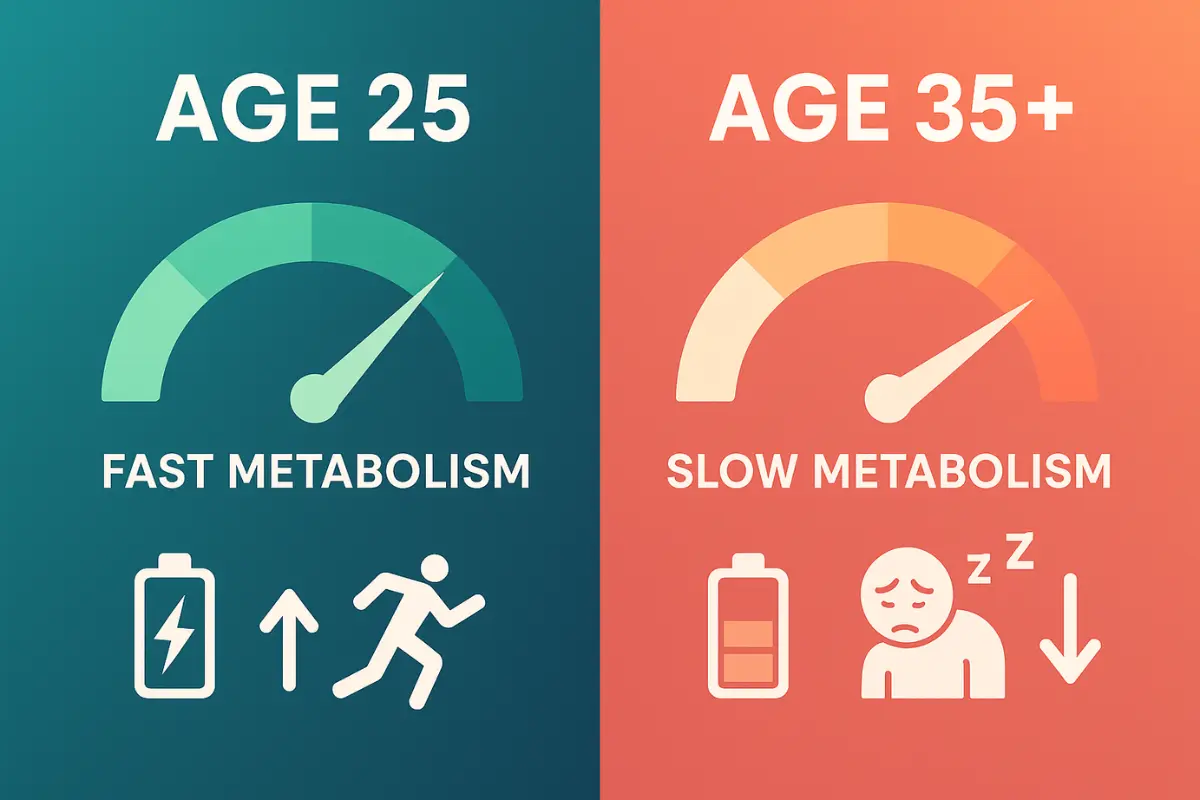
At 25, you could skip dessert for a week and drop 5 pounds. At 35? You can eat salads for a month and somehow gain 2.
This isn’t your imagination. And it’s definitely not your fault.
According to research from the National Institute on Aging, your basal metabolic rate drops by approximately 2-3% per decade after age 20. But here’s where it gets interesting—after 35, this decline accelerates dramatically.
By 40, you’re burning roughly 100-200 fewer calories per day than you did at 30.
While doing exactly the same activities.
That’s like your body decided to cancel a 20-minute workout. Every. Single. Day.
| Age Range | Daily Calorie Burn | Difference from Age 25 | Yearly Weight Impact |
|---|---|---|---|
| 25-30 | 1,800-2,000 | Baseline | 0 pounds |
| 35-40 | 1,700-1,850 | -150 calories/day | +15 pounds/year |
| 45-50 | 1,600-1,700 | -300 calories/day | +31 pounds/year |
Now add this kicker:
Your body also becomes more efficient at storing calories as fat rather than burning them for energy. It’s a perfect storm of metabolic changes.
No wonder diet and exercise stop working after 35 like they used to.
The 7 Biological Changes Sabotaging Your Weight Loss After 35
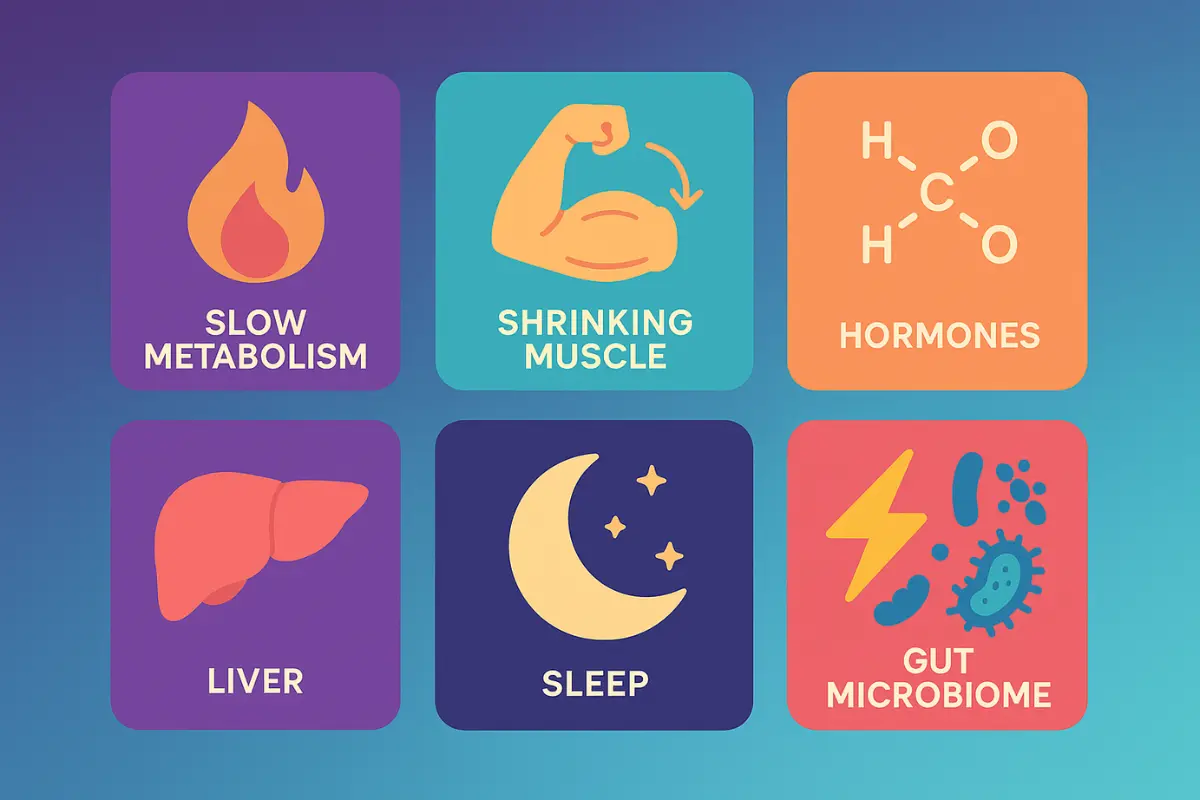
Understanding these seven shifts is like getting the cheat codes to your own body.
Once you know what’s happening, you can stop blaming yourself and start working smarter.
1. Your Metabolism Really Does Slow Down (But Not How You Think)
Everyone knows metabolism slows with age.
What they don’t tell you is WHY—and more importantly, that restricting calories makes it worse.
Here’s what actually happens:
Your thyroid, the master controller of metabolism, becomes less responsive. It’s like having a thermostat that’s stuck on “energy save” mode. Your body produces less T3 (the active thyroid hormone) and more reverse T3 (which blocks metabolism).
The result?
Even if your thyroid tests come back “normal,” your metabolism runs 10-15% slower than it did a decade ago.
But here’s the real kicker—when you slash calories trying to lose weight, your body interprets this as starvation. It responds by slowing your metabolism even MORE. Up to 30% in some cases.
This is exactly why diet and exercise stop working after 35 when you use the same restrict-and-sweat approach from your twenties.
Note: If you’re eating under 1,200 calories daily and still not losing weight, your metabolism might be in preservation mode. This isn’t failure—it’s biology protecting you.
2. Muscle Mass Disappears While You Sleep
Starting at 30, you lose 3-8% of your muscle mass per decade.
By 35? This process kicks into high gear.
Think about that for a second.
By 50, you could have 20% less muscle than you did at 30. Even if your weight stays exactly the same.
Why does this matter so much?
Muscle burns three times more calories than fat—even when you’re binge-watching Netflix. Every pound of muscle torches about 6 calories per day at rest. Every pound of fat? Only 2.
Lose 10 pounds of muscle (which happens silently over 10-15 years), and you’re burning 40 fewer calories every single day. That adds up to over 4 pounds of weight gain per year.
While eating exactly the same amount.
The worst part? You can’t cardio your way out of this. In fact, excessive cardio without strength training actually accelerates muscle loss.
Making the problem worse.
3. The Hormone Chaos Nobody Warns You About
Your hormones after 35 are like a group chat where everyone’s talking at once and nobody’s listening.
Let’s break down the main troublemakers:
Estrogen: Starts fluctuating wildly. Can begin as early as 35. High estrogen promotes fat storage, especially around your hips and thighs. Fun times.
Progesterone: Drops faster than estrogen, creating “estrogen dominance.” Hello water retention, bloating, and more fat storage.
Testosterone: Yes, women need it too. Drops about 1% per year after 30. Less testosterone = less muscle building and slower metabolism.
Insulin: Becomes less efficient. Your body needs more insulin to process the same food. Excess insulin tells your body to store fat. Especially belly fat.
Cortisol: The stress hormone goes absolutely haywire. High cortisol = belly fat storage, muscle breakdown, and those 3 AM sugar cravings.
These hormonal shifts explain why diet and exercise stop working after 35 even when you’re doing everything “right.”
Important Note: Hormone changes are normal, but extreme symptoms deserve medical attention. Track your cycles and symptoms to share with your healthcare provider.
4. Your Liver Gets Overwhelmed (And Takes Your Metabolism Down With It)
Your liver is basically your body’s processing plant.
It handles everything from hormone metabolism to fat burning. After 35? It starts working overtime.
Years of processing everything take their toll:
- That weekend wine (or three)
- Birth control and other medications
- Environmental toxins from everywhere
- Excess hormones that need clearing
- Processed foods and their chemicals
When your liver gets sluggish, several things happen:
Fat metabolism slows to a crawl. Excess estrogen doesn’t get cleared properly. Blood sugar regulation becomes harder. Inflammation increases throughout your body. Energy production drops off a cliff.
This is why even one glass of wine hits differently than it used to.
Or why fatty foods suddenly make you feel terrible.
Your liver is basically screaming, “I’m overwhelmed here!”
If you’ve been feeling exhausted despite doing everything right, discover how one mom’s 90-day journey with Mitolyn broke through her metabolism plateau when nothing else worked.
5. Sleep Quality Tanks (And Takes Your Metabolism With It)
Remember pulling all-nighters and bouncing back the next day?
After 35, one bad night of sleep can throw off your hormones for a week.
Here’s what happens when sleep quality drops:
Ghrelin (hunger hormone) increases: You’re suddenly ravenous. Especially for carbs and sugar.
Leptin (satiety hormone) decreases: You never feel fully satisfied. Even after eating.
Cortisol stays elevated: Leading to belly fat storage and muscle breakdown.
Growth hormone plummets: This is when your body should repair and build muscle. Not happening.
Most people don’t realize this:
Between 1-3 AM, your liver performs intensive detoxification. If you’re consistently waking during this window? It’s a sign your liver is overwhelmed.
| Sleep Issue | Metabolic Impact | Weight Effect |
|---|---|---|
| Less than 6 hours | Metabolism drops 15% | Gain 2 lbs/month |
| Fragmented sleep | Insulin resistance increases | Carb cravings surge 40% |
| Poor deep sleep | Muscle recovery fails | Exercise becomes useless |
This sleep-metabolism connection is a major reason why diet and exercise stop working after 35.
You can’t out-exercise bad sleep. Period.
6. Stress Response Goes From Helper to Saboteur
Your body’s stress response was designed for running from saber-toothed tigers.
Not managing Zoom calls while homeschooling kids.
After 35, chronic stress becomes metabolic poison.
Here’s why:
Your body can’t tell the difference between being chased by a predator and being stressed about your mortgage. Both trigger the exact same response.
- Cortisol floods your system
- Blood sugar spikes (for quick energy)
- Insulin rises to manage the sugar
- Fat storage mode activates (especially belly fat)
- Muscle breakdown increases
The result?
You could be eating perfectly and exercising daily, but if you’re chronically stressed, your body will hold onto weight like it’s preparing for the apocalypse.
This is biology, not willpower.
Note: Chronic stress physically changes how your body processes calories. Be gentle with yourself during tough times—your body is doing its best to protect you.
7. Gut Health Deteriorates (Taking Your Metabolism With It)
Your gut microbiome—those trillions of bacteria in your digestive system—changes dramatically after 35.
Years of antibiotics, processed foods, and stress alter your gut bacteria composition.
The problem?
Your gut bacteria literally control:
- How many calories you extract from food
- Whether you store or burn fat
- Your hunger and satiety signals
- Inflammation levels throughout your body
- Even your mood and motivation to exercise
Studies from Mayo Clinic show that people with certain gut bacteria can eat the same amount as others but extract up to 150 more calories per day.
That’s over 15 pounds of weight gain per year.
From the exact same diet.
Why “Eating Less and Moving More” Backfires After 35
Here’s the dirty little secret of the diet industry:
The harder you push, the harder your body pushes back.
This is called adaptive thermogenesis. And after 35? It’s your metabolism’s favorite party trick.
When you drastically cut calories and increase exercise, your body thinks you’re in danger. It responds by:
- Slowing your metabolism by up to 30%
- Cranking up hunger hormones
- Decreasing satiety hormones
- Reducing non-exercise activity (you fidget less, move less)
- Holding onto fat stores like they’re made of gold
This is why you can eat 1,200 calories, work out daily, and still not lose weight.
Your body has literally adapted to function on less.
Research shows that people who lose weight through extreme restriction have metabolisms that run 20-25% slower than people who never dieted.
Even YEARS later.
This metabolic adaptation is exactly why diet and exercise stop working after 35 when you use the same punishing approach from your twenties.
The solution isn’t to push harder.
It’s to work smarter.
The Hidden Signs Your Body Is Fighting Weight Loss
Your body sends clear signals when it’s in metabolic resistance mode.
Most of us just don’t know how to read them.
Here are the red flags that your body is actively fighting your weight loss efforts:
Physical signs you can’t ignore:
- Always cold (especially hands and feet)
- Hair falling out more than usual
- Brittle nails that break easily
- Constipation despite drinking water
- Dry skin that lotion can’t fix
- Muscle cramps and weakness
- Frequent headaches
Energy and mood red flags:
- Exhausted despite sleeping 8+ hours
- Need caffeine just to function
- 3 PM crash that nothing helps
- Irritability and mood swings
- Brain fog that won’t clear
- Anxiety about food
Metabolic warning signs:
- Weight won’t budge despite perfect adherence
- Gaining weight on very low calories
- Extreme hunger or no appetite
- Obsessive thoughts about food
- Binge episodes after restriction
| Body Signal | What It Really Means | What to Do |
|---|---|---|
| Always cold | Metabolism slowed significantly | Eat more, exercise less |
| Hair loss | Nutrient deficiency from restriction | Increase protein and calories |
| No period | Body fat too low or stress too high | See doctor immediately |
| Constant fatigue | Adrenal fatigue from overtraining | Prioritize rest and recovery |
If you’re experiencing three or more of these signs?
Your body is screaming for help. Pushing harder will only make things worse.
Important Note: These symptoms can indicate serious health issues. Don’t ignore them. Talk to a healthcare provider who understands metabolic health.
Evidence-Based Solutions That Actually Work After 35

Ready for approaches that work WITH your biology instead of against it?
Here’s what science actually shows helps when diet and exercise stop working after 35:
1. Eat MORE to Lose Weight (Yes, Really)
If you’ve been restricting for months or years, your metabolism needs rehabilitation.
Not more punishment.
This process, called reverse dieting, slowly increases your calories to restore metabolic function.
Here’s how it works:
- Add 50-100 calories per week
- Focus on protein (25-30g per meal minimum)
- Include carbs to support thyroid function
- Don’t skip meals or entire food groups
- Track how you feel, not just the scale
Yes, you might gain a few pounds initially.
But once your metabolism heals? Weight loss becomes possible again. Without starvation.
Note: Reverse dieting requires patience. Give your body 8-12 weeks to adjust before judging results.
2. Strength Training Over Cardio (Every Time)
If you only have 30 minutes to exercise, spend it lifting weights.
Not running.
Here’s why:
- Builds metabolically active muscle
- Increases growth hormone naturally
- Improves insulin sensitivity dramatically
- Burns calories for 24-48 hours post-workout
- Strengthens bones (crucial after 35)
Aim for 2-3 strength sessions per week. Focus on compound movements like squats, deadlifts, and rows.
You don’t need to lift heavy. Consistency beats intensity every time.
3. Prioritize Protein Like Your Metabolism Depends On It
Because it does.
After 35, your body becomes less efficient at using protein. The solution? Spread it throughout the day:
- 25-30g per meal (that’s about 4 oz of chicken)
- Within 30 minutes of waking
- After every workout
- Before bed (Greek yogurt works great)
This prevents muscle loss and keeps your metabolism humming.
Plus, protein has the highest thermic effect—your body burns 20-30% of protein calories just digesting it.
4. Master Your Sleep (Or Nothing Else Matters)
Poor sleep sabotages everything else you do.
Everything.
Non-negotiable sleep hygiene after 35:
- Same bedtime every night (yes, even weekends)
- Room temperature 65-68°F
- Complete darkness (invest in blackout curtains)
- No screens 1 hour before bed
- Magnesium supplement before sleep
If you’re struggling with the 3 AM wake-ups, learn how supporting liver function can dramatically improve sleep quality and help reset your metabolism.
5. Strategic Carb Cycling (Not Carb Elimination)
Your thyroid needs carbs to function.
But timing matters:
- Higher carbs on training days (150-200g)
- Lower carbs on rest days (100-150g)
- Always include carbs post-workout
- Never go below 100g daily
This keeps your metabolism flexible without triggering fat storage.
And please—stop demonizing carbs. They’re not the enemy after 35. Metabolic dysfunction is.
6. Stress Management Isn’t Optional Anymore
You literally can’t out-exercise or out-diet chronic stress.
It’s biologically impossible.
Daily stress-busters that actually work:
- 10-minute morning meditation (use an app if needed)
- Evening walks (not power walks—gentle movement)
- Yoga or stretching
- Saying no to overcommitments
- Scheduling actual downtime
Remember: rest is productive when it comes to metabolism.
Your body can’t heal in a constant state of stress.
Creating Your Personal After-35 Weight Loss Strategy
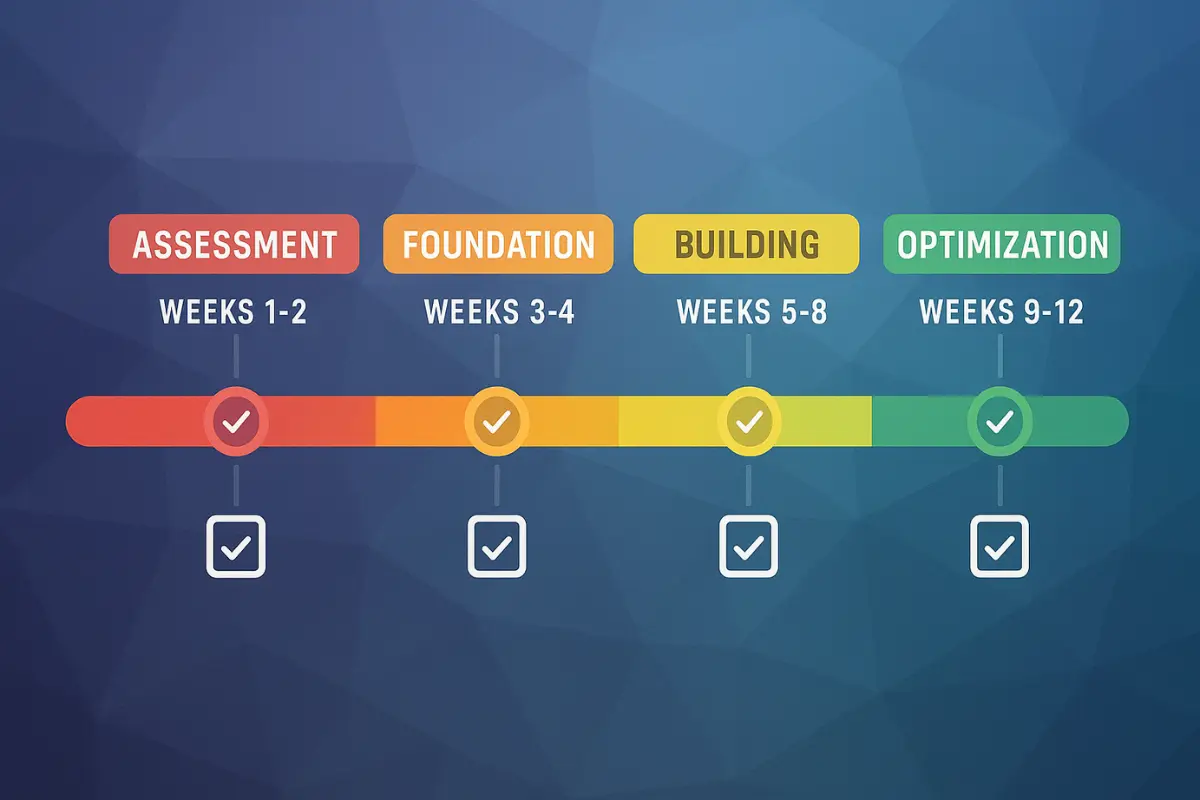
One-size-fits-all doesn’t work when diet and exercise stop working after 35.
Here’s how to create YOUR personalized approach:
Week 1-2: Assessment Phase
Before changing anything, gather data:
- Track everything you eat (without judgment)
- Note energy levels hourly
- Record sleep quality and duration
- Monitor stress levels (1-10 daily)
- Take measurements and photos
This baseline tells you where you’re really starting from.
Not where you think you are.
Week 3-4: Foundation Phase
Make gentle adjustments:
- Add protein to every meal
- Prioritize sleep (add 30 minutes)
- Walk 10 minutes after meals
- Practice one stress-reduction technique
- Increase water by 2-3 cups daily
No dramatic changes yet.
Let your body adjust.
Week 5-8: Building Phase
Layer in targeted strategies:
- Start strength training 2x weekly
- Implement strategic carb timing
- Add targeted supplements (with doctor approval)
- Create consistent meal timing
- Establish your sleep sanctuary
Monitor how your body responds.
Adjust accordingly.
Week 9-12: Optimization Phase
Fine-tune based on results:
- Adjust calories up or down by 100-200
- Modify exercise intensity
- Experiment with meal timing
- Address any remaining symptoms
- Plan for long-term sustainability
The goal isn’t perfection.
It’s finding what works for YOUR body.
Important Note: This timeline is a guide, not a rule. Some people need more time in each phase. Listen to your body, not the calendar.
Testing to Identify YOUR Specific Roadblocks
Guessing games don’t work after 35.
These tests reveal exactly what’s happening in YOUR body:
Essential Blood Work
Complete Thyroid Panel:
- TSH (optimal: 1.0-2.0, not just “normal”)
- Free T3 and Free T4
- Reverse T3
- Thyroid antibodies (TPO and TgAb)
Sex Hormones (test at right time):
- Estradiol (day 3 and day 21 of cycle)
- Progesterone (day 21)
- Testosterone (total and free)
- DHEA-S
Metabolic Markers:
- Fasting glucose and insulin
- Hemoglobin A1C
- Complete lipid panel
- Inflammatory markers (CRP, homocysteine)
Nutrient Status:
- Vitamin D (optimal: 40-60 ng/mL)
- B12 and folate
- Ferritin (iron stores)
- Magnesium RBC
When to see a specialist:
- If basic tests are “normal” but you have symptoms
- Irregular periods or severe PMS
- Unexplained weight gain despite perfect habits
- Extreme fatigue not resolved by sleep
Medical Disclaimer: Always work with a qualified healthcare provider to interpret test results. “Normal” ranges don’t always mean optimal for YOUR body.
The Hidden Connection Most Doctors Miss
Here’s something fascinating:
Your liver processes every single hormone in your body. When it’s overwhelmed, hormones accumulate. Metabolism slows. Energy crashes.
This is why some people can do everything “right” and still struggle.
Their liver—the metabolic command center—needs support.
If you’ve been stuck despite perfect habits, read how one mom discovered the missing piece in her metabolism puzzle and finally broke through her plateau after trying everything else.
Sometimes the answer isn’t working harder.
It’s supporting the systems that make everything else work.
Frequently Asked Questions
If you’re wondering why diet and exercise stop working after 35, you’re not alone. Here are the questions I hear most often, with real, science-based answers:
Is it really impossible to lose weight after 35?
Absolutely not! It’s just different than when you were younger.
Think of it like this: trying to use your old weight loss methods after 35 is like using an iPhone 5 charger on an iPhone 15. The old tools simply don’t fit the new model.
The key is working WITH your body’s changes, not against them. This means eating enough to support your metabolism (yes, enough!), focusing on strength over endless cardio, managing stress like it’s your job, and being patient with the process. Many women actually feel better at 40 than they did at 30 once they figure out what their body actually needs.
How many calories should I actually eat at this age?
There’s no magic number that works for everyone, and that’s actually the problem with most diet advice.
Your calorie needs depend on your height, current weight, activity level, muscle mass, thyroid function, stress levels, and metabolic history. Someone who’s been yo-yo dieting for years might need 2,000+ calories to heal their metabolism, while someone who’s never dieted might maintain on 1,700.
Instead of obsessing over a specific number, pay attention to your body’s signals. If you’re constantly cold, exhausted, losing hair, or thinking about food 24/7, you’re probably not eating enough. A good starting point for most active women over 35 is 1,800-2,200 calories, adjusted based on how you feel and perform.
Why did keto/intermittent fasting/etc work for my friend but not me?
Because you’re not your friend! This is called bio-individuality, and it’s especially pronounced after 35.
Your friend might have different genetics, hormone levels, stress response, gut bacteria, sleep quality, or metabolic history. What works brilliantly for one person can be disastrous for another. For example, intermittent fasting can help some women with insulin resistance but can crash thyroid function in others.
The diet that works is the one that supports YOUR specific hormonal profile, fits YOUR lifestyle, and makes YOU feel energized and satisfied. Stop trying to force yourself into someone else’s success story and start writing your own.
Should I get my hormones tested?
If you’re experiencing multiple symptoms that affect your quality of life, yes—testing can provide valuable insights.
Signs it’s time for testing include irregular periods, severe PMS, unexplained weight gain, extreme fatigue, hair loss, mood swings, low libido, or inability to lose weight despite doing everything “right.”
Ask for a complete panel including thyroid (TSH, Free T3, Free T4, antibodies), sex hormones (tested at the right time in your cycle), cortisol, and basic metabolic markers. Find a provider who specializes in hormonal health—many conventional doctors only run basic tests that miss subclinical issues.
Can supplements help when diet and exercise stop working after 35?
Certain supplements can support your body’s changing needs, but they’re not magic pills.
Evidence-based options include vitamin D (most people are deficient), magnesium (supports sleep and stress), omega-3s (reduce inflammation), and a quality probiotic (gut health). Some women benefit from adaptogenic herbs like ashwagandha for stress or berberine for blood sugar regulation.
However, supplements work best as part of a comprehensive approach including proper nutrition, movement, sleep, and stress management. They’re the cherry on top, not the whole sundae.
Medical Disclaimer: Always consult your healthcare provider before starting new supplements, especially if you take medications. Some supplements can interact with prescriptions or worsen certain conditions.
How long before I see results with a biology-based approach?
This requires patience, which I know is hard when you want results yesterday.
Typical timeline: Weeks 1-2, you might actually feel worse as your body adjusts (this is normal!). Weeks 3-4, energy and sleep often improve first. Weeks 5-8, clothes start fitting better, strength increases, and cravings decrease. Weeks 9-12, visible body composition changes and consistent energy throughout the day.
Remember, you’re not just losing weight—you’re healing your metabolism. This takes time but creates lasting results instead of yo-yo dieting forever.
Is weight gain after 35 just inevitable?
Weight gain isn’t inevitable, but body changes are. And that’s actually okay.
Your body at 35+ has different priorities than at 25. It’s focused on longevity over looking good in a bikini. Some weight gain—especially if it includes muscle mass—can actually be healthy and protective as you age.
What matters more than the scale? Can you keep up with your kids? Do you have energy for things you love? Are your health markers good? Focus on building a strong, capable body rather than chasing your 25-year-old weight.
What’s the biggest mistake women make when diet and exercise stop working after 35?
The biggest mistake? Doing MORE of what’s not working—eating even less and exercising even harder.
This approach is like pressing harder on the gas pedal when your car is stuck in mud. You’ll just dig yourself deeper. Other critical mistakes include ignoring hormone health, choosing endless cardio over strength training, not eating enough protein, sacrificing sleep for early morning workouts, and comparing yourself to your younger self or others.
The solution is working smarter, not harder. Support your body instead of punishing it.
If you’re tired of the punishment approach and ready for something that actually works with your biology, discover the metabolism secrets that finally make sense after 35 and stop fighting a battle you can’t win.
Your Next Steps When Diet and Exercise Stop Working After 35
Look, I get it.
Realizing that diet and exercise stop working after 35 the way they used to can feel defeating. Like your body betrayed you.
But here’s what I want you to remember:
Your body isn’t broken. It’s not giving up on you. It’s just operating under different rules now.
Once you understand these rules—the seven biological changes we covered—you can stop fighting your body and start working with it.
This isn’t about giving up or accepting defeat.
It’s about getting smarter.
Your immediate action steps:
- Stop any extreme restriction immediately (your metabolism needs fuel to heal)
- Calculate your true metabolic needs (hint: it’s more than 1,200 calories)
- Focus on strength training over endless cardio
- Prioritize sleep like your metabolism depends on it (because it does)
- Get appropriate testing if symptoms persist
- Be patient with your body as it heals
Remember: the goal isn’t to look 25 again.
The goal is to feel amazing in the body you have now, with energy to live your life fully.
You’ve got this. And your body—when you treat it right—has got you.
Important Medical Disclaimer
This article is exclusively informational and educational. It is not intended to diagnose, treat, cure, or prevent diseases.
Always consult a qualified healthcare professional before starting any type of supplementation — especially if you are pregnant, breastfeeding, taking continuous-use medications, or have any pre-existing health conditions. Learn more here
Transparency and Affiliate Disclosure
This article may contain affiliate links. This means that when you make a purchase through one of these links, we may receive a commission — at no extra cost to you.
This commission helps us keep the rootssprout.com blog running, publishing free, honest content based on reliable information.
We only recommend products that we research thoroughly, evaluate with editorial responsibility, and believe can truly help our readers.
To better understand how affiliate links work and our commitment to transparency, visit our complete disclosure page: Transparency and Affiliate Disclosure