
You know that feeling when you wake up already exhausted?
Like someone drained your battery overnight while you were sleeping?
I used to think it was just part of getting older. You know, hit 35 and suddenly you’re running on fumes.
But then I discovered something that changed everything: my body was practically screaming slow metabolism signs at me, and I was too stubborn to listen.
After watching my energy disappear faster than my kids’ Halloween candy, I finally connected the dots.
And honestly? Once I knew what to look for, the signs were everywhere.
Note: I’m sharing what I’ve learned from research and real experiences, but remember — everyone’s body is unique. If you’re experiencing persistent symptoms, it’s always smart to chat with your healthcare provider.
Here’s What You’ll Learn
- The 7 sneaky slow metabolism signs your body is desperately trying to tell you (especially that 3 PM crash)
- Why you’re gaining weight eating the same foods that used to keep you slim
- The shocking connection between feeling cold all the time and your metabolic rate
- How your bathroom habits reveal more about your metabolism than you think
- Why metabolism naturally tanks after 35 (and what actually helps)
- The hormone-metabolism connection that explains your mysterious symptoms
- Natural strategies that actually work to boost your sluggish metabolism
- The critical difference between normal aging and metabolic dysfunction
- …and much more!
The Energy Crisis: When Your Get-Up-and-Go Got Up and Went
Let me paint you a picture.
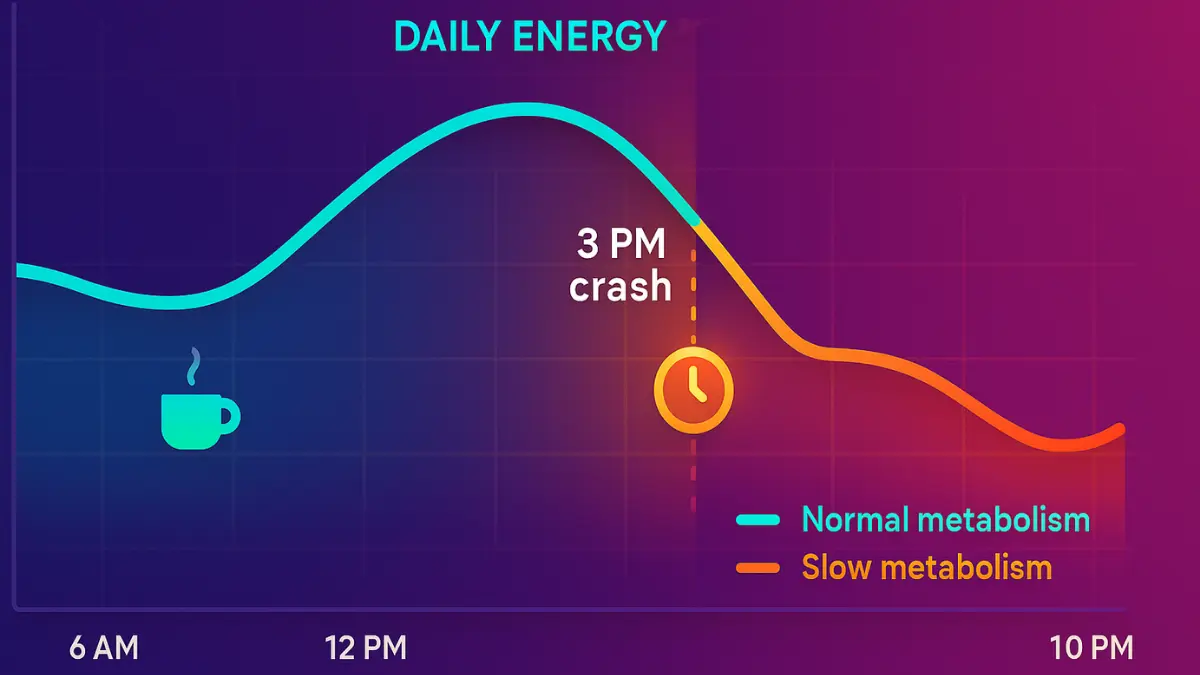
It’s 2 PM. You’ve had lunch an hour ago. And suddenly, your desk looks like the most comfortable pillow in the world.
Your eyelids weigh approximately 47 pounds each.
This was my daily reality for years.
I’d drink coffee like it was my job. Four cups before noon wasn’t unusual.
Yet by 3 PM, I was googling “is it normal to want to nap under my desk?”
(Spoiler: Your coworkers don’t appreciate it.)
Why Fatigue Is Your Metabolism’s First Warning Sign
Here’s what I didn’t understand back then: chronic fatigue is often the first of many slow metabolism signs.
Think about it this way.
Your metabolism is like your body’s engine. It converts fuel (food) into energy.
When that engine starts sputtering, the first thing you notice? No gas in the tank.
According to research from the National Institute of Diabetes and Digestive and Kidney Diseases, metabolic slowdown directly impacts cellular energy production.
Your cells literally can’t produce ATP (energy currency) efficiently.
The result? You feel like you’re wading through molasses. All. Day. Long.
The Coffee Trap Nobody Talks About
Here’s where it gets interesting.
When you’re exhausted from slow metabolism signs, what do you do?
You reach for caffeine. Obviously.
But excessive caffeine can actually make metabolic issues worse.
It spikes cortisol (stress hormone), disrupts sleep, and creates a vicious cycle.
You’re tired, so you drink coffee. Coffee disrupts your sleep. Bad sleep slows metabolism further. Rinse and repeat.
I was trapped in this cycle for three years before I realized what was happening.
The Weight Gain Mystery That Drives You Crazy
Okay, this one really got me.
I was eating the same breakfast I’d had for five years. Oatmeal, berries, bit of honey.
Same lunch routine. Salad with grilled chicken.
Yet somehow, my jeans were staging a rebellion.
The button was working overtime. The zipper was threatening to quit.
And I swear my scale was broken. HAD to be.
Why Your “Normal” Diet Suddenly Causes Weight Gain
Here’s the truth about slow metabolism signs and weight gain.
When your metabolic rate drops, you burn fewer calories at rest.
We’re talking 100-200 fewer calories per day in some cases.
Doesn’t sound like much?
That’s potentially 10-20 pounds of weight gain per year. From doing absolutely nothing different.
Your body becomes incredibly efficient at storing fat. Like a squirrel preparing for the world’s longest winter.
Except winter never comes, and you’re stuck with the storage.
The Muscle Loss Connection Nobody Mentions
Here’s something that blew my mind.
After 30, we lose 3-8% of muscle mass per decade.
Muscle burns calories even when you’re binge-watching Netflix.
Less muscle = slower metabolism = easier weight gain.
It’s like your body is playing a cruel joke on you.
And the worst part? You can’t out-exercise a slow metabolism.
Trust me, I tried. I was doing cardio like I was training for the Olympics.
The scale didn’t budge.
Important Note: If you’re experiencing unexplained weight gain despite no changes in diet or activity, it’s worth discussing with your doctor. Thyroid issues and other conditions can also affect metabolism.
When You’re Cold in July: The Temperature Tell-Tale
My wife used to joke that I was part reptile.
I’d wear a hoodie in 75-degree weather.
Sleep with three blankets in summer.
Keep space heaters under my desk at work. In August.
Turns out, feeling cold all the time is one of the classic slow metabolism signs.
Why Slow Metabolism Makes You Feel Like You Live in Antarctica
Your metabolism generates heat. Literally.
It’s called thermogenesis — your body burning calories to maintain temperature.
When metabolism slows, heat production drops.
You become that person wearing a parka in the grocery store.
(Yes, the frozen foods aisle is cold. But not THAT cold.)
Your hands and feet are especially vulnerable.
Poor circulation plus low metabolic rate equals ice cube extremities.
My feet were so cold, my wife banned them from her side of the bed.
True story.

Your Skin and Hair Are Trying to Tell You Something
This was the sign that finally made me take slow metabolism signs seriously.
My skin went from normal to Sahara Desert dry. Overnight, it seemed.
No amount of moisturizer helped.
And my hair? Let’s just say my shower drain looked like Chewbacca had visited.
The Metabolism-Skin Connection
Your metabolism affects every cell in your body. Including skin cells.
Slow metabolism means slower cell turnover.
Dead skin cells accumulate. Moisture retention drops.
Result? Skin that feels like sandpaper and looks dull.
Plus, reduced circulation means fewer nutrients reaching your skin.
It’s like trying to water a plant with a clogged hose.
Why Your Hair Might Be Jumping Ship
Hair follicles are surprisingly high-maintenance.
They need constant nutrients and energy to produce hair.
When metabolism slows, your body prioritizes vital organs.
Hair? Not exactly top priority.
Follicles go dormant. Hair gets brittle. Then it falls out.
I was finding hair everywhere. My car, my desk, my coffee mug (ew).
My barber asked if I was stressed. I said no, just metabolically challenged.
He didn’t laugh.
Digestive Drama: When Your Gut Joins the Rebellion
Remember when you could eat anything?
Pizza at midnight. Spicy tacos for breakfast. Gas station sushi (okay, that was never smart).
But now? Your stomach protests everything.
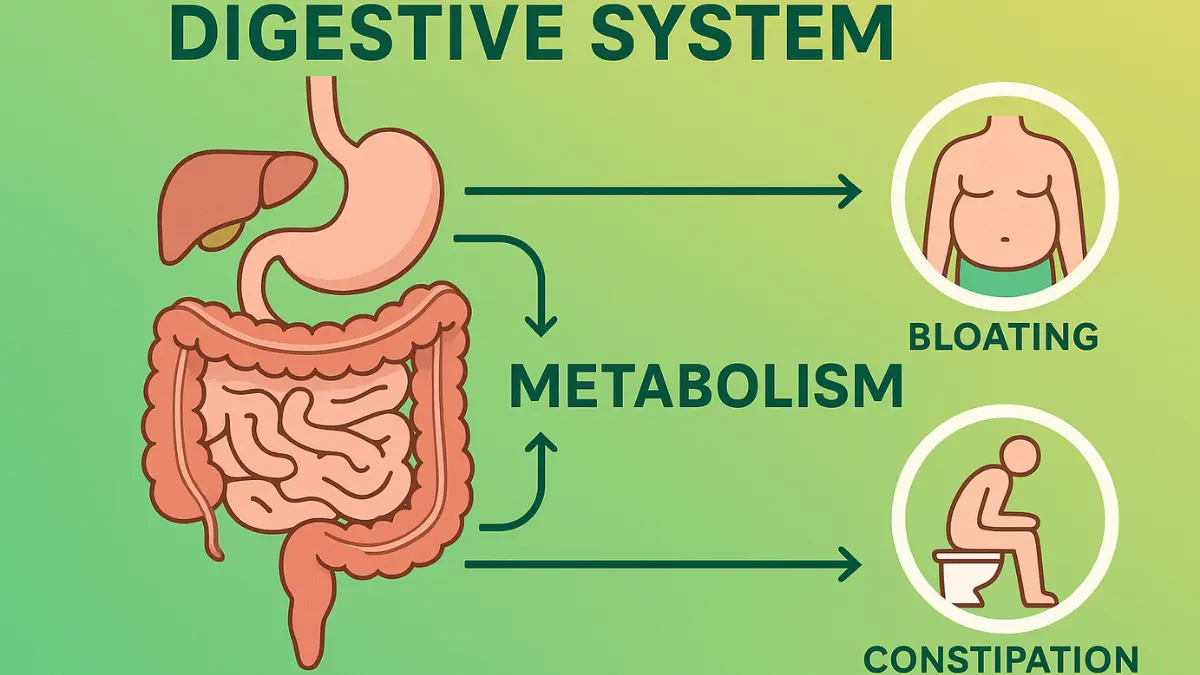
Bloating that makes you look six months pregnant. Constipation that requires strategic planning.
These digestive issues? Classic slow metabolism signs.
The Bloating Blues
Slow metabolism affects digestion speed.
Food sits in your system longer. Ferments. Creates gas.
You feel like a balloon at the Macy’s parade.
I had to buy “stretchy pants” for after meals.
My kids called them my “food baby pants.”
Kids are brutal.
Constipation: The Uncomfortable Truth
Nobody wants to talk about it. But we need to.
When metabolism slows, so does gut motility.
Translation: Things stop moving through the pipes.
You become best friends with fiber supplements.
Prune juice starts looking appealing.
You know every bathroom reading material by heart.
Note: Persistent digestive issues can have many causes. While slow metabolism is one possibility, conditions like IBS, food intolerances, or other GI issues should be ruled out by a healthcare professional.
Brain Fog: When Thinking Feels Like Swimming Through Peanut Butter
This might be the most frustrating of all slow metabolism signs.
You know that feeling when you walk into a room and forget why?
That was my entire day.
I’d read emails three times and still not comprehend them.
Forget people’s names mid-conversation.
Put milk in the pantry and cereal in the fridge.
Why Your Brain Needs Metabolic Energy
Your brain uses 20% of your body’s energy.
When metabolism slows, your brain gets less fuel.
It’s like trying to run a supercomputer on a flip phone battery.
Concentration suffers. Memory gets sketchy. Creativity? What creativity?
I once spent 10 minutes looking for my glasses.
They were on my head.
Not my finest moment.
The After-35 Metabolic Cliff (And Why It Happens)
Here’s something nobody tells you about turning 35.
Your metabolism doesn’t just slow down. It throws itself off a cliff.
Okay, maybe that’s dramatic. But it feels that way.
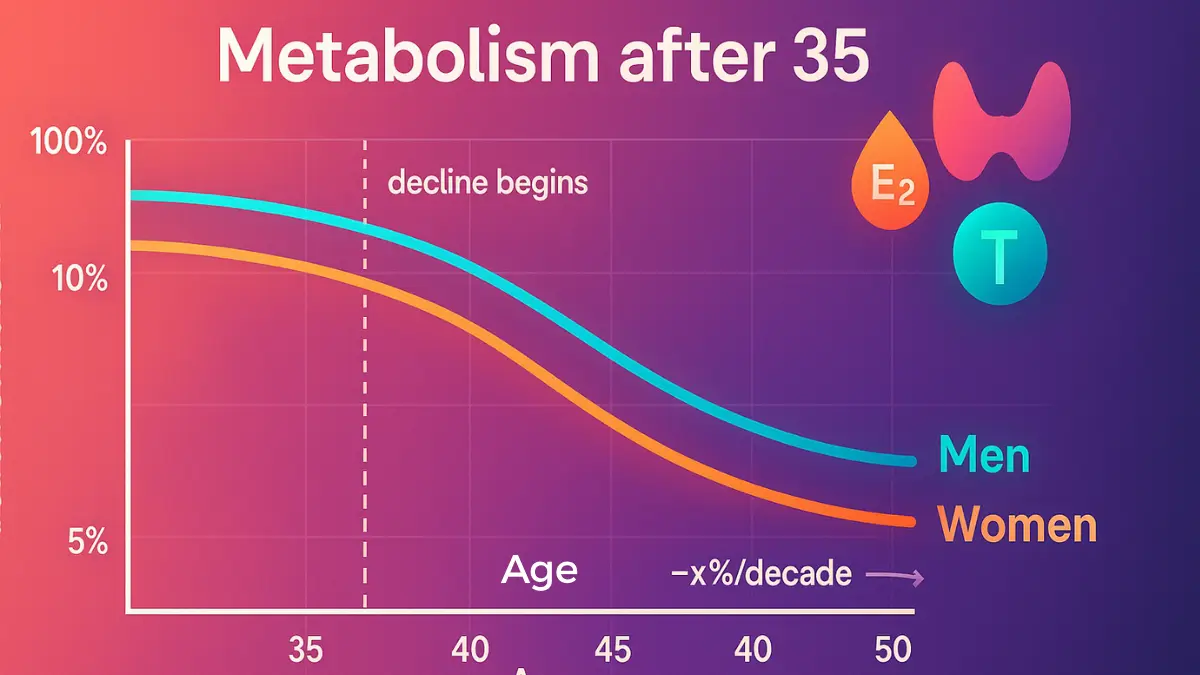
Studies show metabolism decreases 2-3% per decade after 30.
By 40, you’re burning 100+ fewer calories daily than at 30.
By 50? Let’s not go there.
The Hormone Hurricane
After 35, hormones go haywire.
Testosterone drops (yes, in women too).
Estrogen fluctuates like a roller coaster.
Thyroid hormones decide to take a vacation.
Growth hormone? Practically non-existent.
These hormones regulate metabolism. When they tank, so does your metabolic rate.
It’s like your body’s board of directors all quit at once.
The Lifestyle Reality Check
Let’s be honest about life after 35.
Kids’ activities eat your exercise time.
Work stress peaks (hello, management responsibilities).
Sleep becomes a luxury you can’t afford.
Meal prep? That’s cute. Here’s another drive-through dinner.
These lifestyle factors compound metabolic slowdown.
You’re not just fighting age. You’re fighting circumstances.
Muscle Weakness: The Hidden Metabolic Thief
Remember when opening pickle jars was easy?
When carrying groceries didn’t require recovery time?
Yeah, me too. Barely.
Muscle weakness snuck up on me like a ninja.
One day I’m fine. Next day, my laptop bag feels like it’s filled with bricks.
Why Muscles Matter More Than You Think
Here’s the thing about slow metabolism signs and muscle.
Muscle tissue burns calories 24/7.
Even while you sleep. Even while you watch TV.
One pound of muscle burns 6-10 calories daily at rest.
One pound of fat? 2-3 calories.
Lose muscle, lose metabolic power.
It’s simple math with complicated consequences.
The Vicious Cycle Nobody Warns You About
Slow metabolism causes muscle loss.
Muscle loss slows metabolism further.
You get weaker, move less, lose more muscle.
It’s like being stuck in metabolic quicksand.
The more you struggle, the deeper you sink.
I went from doing 20 pushups to struggling with 5.
My kids’ piggyback rides became “daddy’s too tired” moments.
That hurt more than the physical weakness.
Sleep Problems: The Metabolic Disruptor
3 AM.
Wide awake. Again.
Staring at the ceiling like it holds the secrets of the universe.
Insomnia and slow metabolism signs are best friends.
They hang out together, making your life miserable.
The Sleep-Metabolism Connection
Poor sleep disrupts metabolic hormones.
Ghrelin (hunger hormone) increases.
Leptin (fullness hormone) decreases.
Cortisol stays elevated.
Insulin sensitivity drops.
You wake up metabolically disadvantaged.
Then you’re tired, so you skip exercise.
Eat comfort food for energy.
Drink extra coffee.
Sleep worse that night.
The cycle continues.
Why You Can’t Sleep When You’re Exhausted
This is the cruel irony.
You’re exhausted all day from slow metabolism.
But bedtime? Your body won’t shut down.
Low metabolic rate affects body temperature regulation.
Your body can’t cool down properly for sleep.
Plus, metabolic dysfunction affects melatonin production.
You’re tired but wired.
It’s like your body forgot how to sleep properly.
Important Note: Chronic sleep issues can indicate various health conditions including sleep apnea, hormone imbalances, or thyroid problems. If you’re experiencing persistent sleep disruption, consult with your healthcare provider.
Mood Swings and Mental Health: The Emotional Side of Slow Metabolism
Nobody talks about this part.
How slow metabolism signs mess with your head.
The irritability that comes from nowhere.
The anxiety about… everything.
The depression that creeps in like fog.
The Metabolism-Mood Connection
Your brain needs steady energy to regulate mood.
Slow metabolism means unstable energy supply.
Blood sugar swings become mood swings.
Low energy becomes low mood.
It’s not “all in your head.”
It’s in your metabolism.
Why Everything Feels Harder
When your metabolism is sluggish, everything requires more effort.
Getting dressed feels monumental.
Making dinner seems impossible.
Small problems feel like catastrophes.
You’re not weak. You’re not lazy.
You’re metabolically depleted.
There’s a difference.
Natural Ways to Support Your Sluggish Metabolism
Alright, enough doom and gloom.
Let’s talk solutions.
Because yes, you can improve metabolic function naturally.
No, it’s not always easy. But it’s possible.
The Protein Power Play
Protein has the highest thermic effect of any food.
Your body burns 20-30% of protein calories just digesting it.
Compare that to 5-10% for carbs, 0-3% for fats.
I started adding protein to every meal.
Eggs at breakfast. Greek yogurt for snacks.
Chicken, fish, or beans at lunch and dinner.
The difference? Noticeable within two weeks.
The Water Wake-Up Call
Dehydration slows metabolism by up to 3%.
Doesn’t sound like much?
That’s 50-60 fewer calories burned daily.
Plus, cold water temporarily boosts metabolism.
Your body burns calories warming it up.
I started drinking 10-12 cups daily.
Set hourly reminders on my phone.
Bathroom trips increased. But so did energy.
The Movement Miracle
You don’t need to become a gym rat.
But you need to move. Regularly.
Walking counts. Dancing counts.
Chasing kids definitely counts.
The key is consistency, not intensity.
10 minutes daily beats 2 hours once a week.
The Sleep Solution
Prioritizing sleep changed everything for me.
Bedroom temperature: 65-68°F.
No screens one hour before bed.
Same bedtime every night (mostly).
Magnesium supplement before sleep.
It took three weeks to see results.
But when they came? Game-changer.
The Stress Management Must
Chronic stress destroys metabolism.
Cortisol promotes fat storage.
Disrupts thyroid function.
Interferes with sleep.
I started meditating. Just 5 minutes daily.
Used a free app. Nothing fancy.
Felt silly at first. But stress dropped noticeably.
When to See a Doctor About Slow Metabolism Signs
Look, I’m all for natural approaches.
But sometimes you need professional help.
Here’s when to make that appointment:
Red Flag Symptoms
Sudden, unexplained weight gain (10+ pounds in a month).
Extreme fatigue that doesn’t improve with rest.
Hair falling out in clumps.
Feeling cold even in warm environments.
Irregular heartbeat or palpitations.
Severe constipation lasting weeks.
Depression or anxiety that’s getting worse.
Getting the Right Tests
Ask for comprehensive metabolic panel.
Thyroid function tests (TSH, T3, T4).
Vitamin D levels.
B12 levels.
Iron and ferritin.
Hormone panels if appropriate.
Don’t let them dismiss your concerns.
You know your body better than anyone.
Medical Disclaimer: This article provides general information only and should not replace professional medical advice. Always consult with a qualified healthcare provider for proper diagnosis and treatment of metabolic concerns.
The Bottom Line on Slow Metabolism Signs
Here’s what I’ve learned after dealing with slow metabolism signs for years.
Your body isn’t betraying you.
It’s trying to communicate.
Every symptom is a message.
Fatigue says “I need better fuel.”
Weight gain says “something’s out of balance.”
Brain fog says “help me function better.”
The key is listening. Then taking action.
Small changes compound over time.
You don’t need perfection. You need progress.
Start with one thing. Water. Protein. Sleep. Movement.
Pick what feels most manageable.
Build from there.
Your metabolism didn’t slow overnight.
It won’t speed up overnight either.
But with patience and consistency?
You can feel like yourself again.
Maybe even better.
Frequently Asked Questions
What are the most common slow metabolism signs after 35?
The most common slow metabolism signs that appear after 35 include persistent fatigue despite adequate sleep, unexplained weight gain (especially around the midsection), feeling cold when others are comfortable, and that infamous 3 PM energy crash that has you reaching for your fourth cup of coffee.
Many people also notice changes in their digestion, with increased bloating and slower bowel movements becoming the new normal. Your body essentially shifts into energy-conservation mode, burning fewer calories at rest and making it feel like you’re fighting an uphill battle just to maintain your weight.
What’s particularly frustrating is that these changes often happen gradually, so you might not notice until your favorite jeans don’t fit or you realize you haven’t had a full day of energy in months.
Can slow metabolism cause anxiety and depression?
Absolutely, and this connection is more common than most people realize. When your metabolism slows down, it affects neurotransmitter production and hormone balance, both of which directly impact mood regulation. Your brain needs a steady supply of energy to produce feel-good chemicals like serotonin and dopamine.
Additionally, the physical symptoms of slow metabolism — constant fatigue, weight gain, brain fog — can create a cycle of frustration and low self-esteem that contributes to anxiety and depression. You might find yourself more irritable, less motivated, and struggling with mood swings that seem to come from nowhere.
It’s important to note that while addressing metabolic issues can improve mood, persistent mental health symptoms should always be discussed with a healthcare provider who can evaluate all potential causes and recommend appropriate treatment.
How long does it take to speed up a slow metabolism naturally?
Based on research and real-world experiences, you can start seeing initial improvements in 2-3 weeks with consistent lifestyle changes, but significant metabolic improvements typically take 8-12 weeks. The first changes you’ll likely notice are improved energy levels and better sleep quality, followed by gradual improvements in weight management and overall vitality.
The timeline varies depending on factors like age, starting point, and how consistently you implement changes. Someone who adds protein to every meal, increases water intake, and starts walking daily might see energy improvements within 10-14 days. However, reversing years of metabolic slowdown is a gradual process.
The key is patience and consistency. Your metabolism didn’t slow overnight, and it won’t speed up overnight either. But stick with healthy changes for 90 days, and you’ll likely be amazed at the difference in how you feel and function.
Is weight gain always a sign of slow metabolism?
Not always, though slow metabolism is definitely a common culprit, especially after 35. Weight gain can result from various factors including hormonal changes (thyroid issues, menopause, low testosterone), medications (antidepressants, steroids, certain diabetes medications), increased calorie intake without realizing it, or decreased activity levels.
However, if you’re gaining weight while maintaining the same diet and exercise routine you’ve had for years, slow metabolism signs are likely at play. The telltale sign is when you’re doing everything “right” but still gaining weight, particularly around your midsection.
It’s worth tracking your food intake for a week to rule out hidden calories, and if unexplained weight gain persists, getting a comprehensive metabolic panel and thyroid tests can help identify whether metabolism or another health issue is the root cause.
Can certain foods actually boost metabolism?
Yes, certain foods can give your metabolism a temporary boost, though the effects are usually modest. Protein-rich foods like lean meats, fish, eggs, and legumes have the highest thermic effect, meaning your body burns 20-30% of their calories just digesting them. Spicy foods containing capsaicin (like chili peppers) can temporarily increase metabolic rate by 5-10%.
Green tea and coffee contain compounds that can boost metabolism by 3-4% for a few hours. Foods rich in iron, selenium, and iodine support thyroid function, which regulates metabolism. Think spinach, seafood, and Brazil nuts. However, no single food is a magic bullet.
The most effective approach combines these metabolism-supporting foods with adequate protein intake (0.8-1g per pound of body weight), regular meals to avoid metabolic slowdown from extreme calorie restriction, and plenty of water to support all metabolic processes.
Why do I feel cold all the time if my metabolism is slow?
Feeling cold constantly is one of the classic slow metabolism signs because your metabolism is literally your body’s furnace. When metabolic rate drops, your body produces less heat through thermogenesis — the process of burning calories to maintain body temperature. This is why you might find yourself wearing sweaters when everyone else is comfortable in t-shirts.
Additionally, slow metabolism often correlates with reduced thyroid function, and your thyroid hormones play a crucial role in temperature regulation. Poor circulation, another common issue with metabolic slowdown, means less warm blood reaches your extremities, leaving your hands and feet feeling like ice blocks.
This cold sensitivity tends to worsen with age and can be particularly noticeable in the morning when metabolic rate is naturally at its lowest. If you’re constantly cold along with other metabolic symptoms, it’s worth having your thyroid levels checked.
Does muscle loss really affect metabolism that much?
Absolutely — muscle loss has a huge impact on metabolism, more than most people realize. Every pound of muscle burns approximately 6-10 calories per day at rest, while fat tissue only burns 2-3 calories. So if you lose 5 pounds of muscle (which is easy to do after 35 without resistance training), your metabolism drops by 30-50 calories per day.
That might not sound like much, but over a year, that’s equivalent to 5-7 pounds of fat gain if you don’t adjust your eating. Plus, muscle loss creates a vicious cycle: less muscle means slower metabolism, which makes it easier to gain fat and harder to build muscle.
The good news is that resistance training, even just 2-3 times per week, can help preserve and build muscle mass at any age. Adding adequate protein to support muscle maintenance is equally important — aim for at least 25-30g of protein per meal.
Can stress really slow down metabolism?
Yes, chronic stress is like kryptonite for your metabolism. When you’re stressed, your body releases cortisol, which triggers several metabolic disruptions. High cortisol levels promote fat storage (especially belly fat), increase appetite for high-calorie comfort foods, disrupt sleep (which further slows metabolism), and can interfere with thyroid function.
Stress also tends to decrease NEAT (non-exercise activity thermogenesis) — all those little movements throughout the day that burn calories. When stressed, you’re more likely to sit still, skip workouts, and choose convenient (often processed) foods over healthier options.
Managing stress through meditation, regular exercise, adequate sleep, or even just 5-10 minutes of daily deep breathing can help protect your metabolism. Many people are surprised how much their energy improves when they address their stress levels.
What’s the connection between sleep and slow metabolism signs?
Sleep and metabolism are so interconnected it’s almost impossible to fix one without addressing the other. Poor sleep (less than 7 hours) can slow metabolism by 5-20% through multiple mechanisms. It disrupts hormones that regulate hunger and fullness, making you eat more. It increases cortisol, promoting fat storage. It decreases insulin sensitivity, making weight gain easier.
Additionally, when you’re sleep-deprived, your body temperature drops, reducing calorie burn. You’re also less likely to exercise and more likely to reach for high-calorie foods for energy. Even one night of poor sleep can negatively affect metabolic markers.
The cruel irony is that slow metabolism signs like temperature dysregulation and hormone imbalances can make sleeping difficult, creating a vicious cycle. Prioritizing sleep hygiene — consistent bedtime, cool room, no screens before bed — is often the first step in metabolic recovery.
Important Medical Disclaimer
This article is exclusively informational and educational. It is not intended to diagnose, treat, cure, or prevent diseases.
Always consult a qualified healthcare professional before starting any type of supplementation — especially if you are pregnant, breastfeeding, taking continuous-use medications, or have any pre-existing health conditions. Learn more here
Transparency and Affiliate Disclosure
This article may contain affiliate links. This means that when you make a purchase through one of these links, we may receive a commission — at no extra cost to you.
This commission helps us keep the rootssprout.com blog running, publishing free, honest content based on reliable information.
We only recommend products that we research thoroughly, evaluate with editorial responsibility, and believe can truly help our readers.
To better understand how affiliate links work and our commitment to transparency, visit our complete disclosure page: Transparency and Affiliate Disclosure